Doomscrolling isn’t just about curiosity—it’s wired into our psychology. Our brains are naturally drawn to negative information because, evolutionarily talking, being conscious of dangers helped us survive. In today’s world, although, that intuition can work in opposition to us.
Mudita Radiant’s Kickstarter campaign has ended with great success. Additionally, instruments like Mudita Kompakt can help your journey in the course of more intentional tech use. If there are any concerns about content material we’ve printed, please attain out to us at They’re about liberation—reclaiming your time, your vitality, and your peace of mind. Designate sure rooms (like the bed room or bathroom) as screen-free zones. You’ll be amazed how rapidly your sleep and focus improve.
If you’re somebody who likes to trace progress, this function could be incredibly motivating. If you’re critical about quitting reels eternally, you’ll need extra than just willpower. WallHabit is a dedication gadget, a device designed to assist you persist with your goals by making it harder to have interaction in habits you need to give up. Here’s the method it can help you regain management over your screen time. Sometimes we get so caught up in attempting to get off our phones that we start feeling responsible anytime we’re on them – even when the experience is genuinely gratifying or significant.
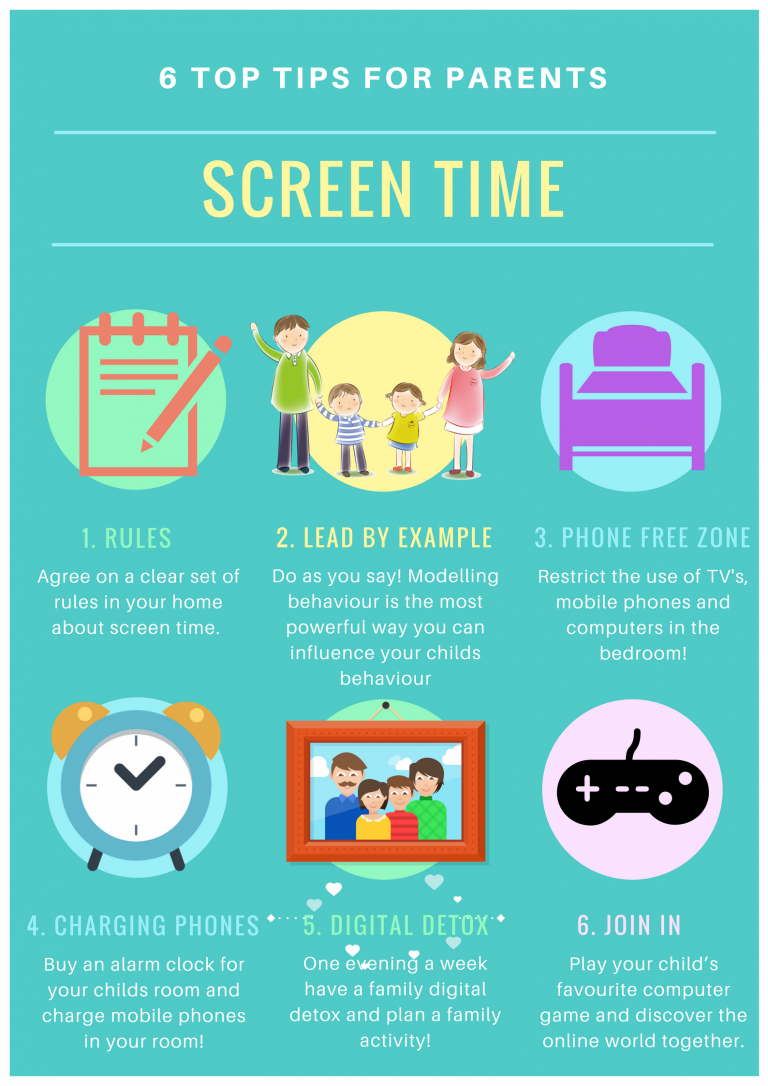
Do you discover yourself doom scrolling via social media? Do you reach in your phone mechanically even should you don’t consciously want to? Do you are feeling like you are losing precious time to on-screen activities?
Establishing boundaries round your screen time is a crucial step in combating scroll dependancy. You might start by setting particular time limits for a way lengthy you enable yourself to engage with social media every day. For instance, think about allocating simply half-hour within the evening for browsing, somewhat than allowing it to seep into each spare moment all through the day.
For more content associated to mental well being do observe us on our official Instagram. “Have a clear objective when accessing social media,” Strohman says. If a friend shares a submit, inform your self you will only watch this one video and never spend the following two hours on TikTok. Another suggestion from Strohman is turning off notifications. People often fall into mindless browsing when notified or tagged in one thing. And whilst you would possibly begin out trying on the related publish, you can easily end up lost in a comment thread or other recommended videos.
This easy habit shifts your consideration from unfavorable content to the nice in your life. You’ve doubtless skilled doomscrolling – that countless cycle of scrolling through social media, memes, or news. While initially satisfying, this habit can go away us feeling drained or anxious. The time period entered the favored lexicon during the early days of the COVID-19 pandemic and was formally added to several dictionaries in 2023.
Motivational modifications are often initiated based round time, such as the start of a brand new 12 months, a phenomenon generally recognized as the “fresh begin effect”. But it is important to be strategic and put together for situations when motivation is low and we still want to work in path of our objectives. Your mind learns to repeat behaviour that’s rewarding. One study analyzing people’s consumption of water throughout the day found that it was more of a behavior for people who perceived it as more rewarding.
The key lies not in rejecting expertise but in managing our relationship to it. Remember, digital wellness isn’t about perfect adherence to rules or habits. It’s about self awareness, flexibility and growing sustainable habits which are practical on your way of life.
You don’t should delete all of your apps to search out some peace. Start with setting limits with app timers, scheduling specific windows to examine news, or removing shortcuts from your home screen to make entry to this sort of content much less automated. While staying knowledgeable is important, doomscrolling retains your nervous system in a state of chronic stress. This can improve feelings of anxiety, irritability, unhappiness, and even physical signs like fatigue or pressure complications.
“Doomscrolling” is the act of constantly scrolling via negative news on social media, news websites, or apps, although it’s having a unfavorable impression on your mental health. It became prevalent through the COVID-19 pandemic when uncertainty was high, and heaps of people have been glued to their telephones for the newest updates. Small adjustments today can result in a more healthy, more balanced mindset in the lengthy term. If you’re on the lookout for extra tips about managing stress, improving psychological well being, and practicing aware social media use, try the PsychPlus Blog for expert insights and resources. If you’ve ever opened an app “for five minutes” and abruptly misplaced an hour, you’re not alone. Social media is designed to keep you scrolling, but setting deadlines might help you stay aware.
Many smartphones have features to monitor screen time and set daily app limits. Tracking your social media use provides helpful knowledge to manage telephone utilization. Learning tips on how to stop scrolling is about more than just willpower—it’s about understanding your habits, triggers, and using sensible methods to regain control over your time and a spotlight. Regular scrolling is chill, like browsing recipes, catching up on good friend updates, or watching canine videos. Doomscrolling activates a part of the brain that continuously scans for threats and tries to make sense of uncertainty, which can additionally be deeply wired into our survival instincts.
Interestingly, dopamine is less in regards to the pleasure of receiving and extra in regards to the pursuit of something rewarding. The infinite scroll faucets into this perfectly, preserving us in an open-ended loop of seeking novelty. Without a clear cue to cease, the mind stays in search mode far longer than we intend. Evidence primarily based cognitive, mindfulness and behavioral methods could assist in understanding the thought patterns and beliefs which may underlie unhelpful digital habits. Remember, seeking skilled help is an indication of strength and self-awareness. As we continue to navigate an increasingly digital world, understanding and managing digital burnout turns into important for sustaining mental and emotional wellbeing.
Keep in mind, though, that this strategy requires discipline. The lack of sound does not remove the visual distraction of notifications on your display screen. You should resist the urge to examine your telephone instantly each time a notification pops up. Over time, you’ll become more proficient at managing your response to those silent alerts. One of one of the best ways to break a bad habit is to replace it with a good one.
PsychPlus makes it easy to stay a happy, healthy life with choices for each in-person and digital care from licensed psychiatrists and therapists. Share your targets with a pal or family member who can maintain you accountable. Better yet, join online communities or forums dedicated to digital wellness. Try the straightforward rule to interrupt the cycle, beat distractions, and get issues carried out. Use a bodily alarm clock and create a morning ritual like stretching or journaling to give your brain area before cellphone use.
Once you do it right, you’ll simply replicate it every subsequent new habits you’re trying to develop. Also, different uncommon things you do throughout that day, as each may have an effect on how you carry out or how much willpower you’ve received left to use for the habit. Use an app, have a separate pocket book, or simply open a new Word document and begin writing something daily connected to what you do or don’t do in regards to the habit. I tried to vary my food regimen and begin eating clear from day one.
Strategies embody limiting screen time, practicing mindfulness, curating your social media feed, and interesting in offline activities. Stress, boredom, and loneliness usually act as triggers for doomscrolling. In moments of emotional vulnerability, turning to social media for escapism can rapidly spiral right into a ordinary habits. One efficient way to promote mindful expertise use is by choosing units designed with this purpose in mind. Mudita Kompakt is an e-Ink cellphone that emphasizes mindful use of expertise.
Scrolling paralysis might be a problem, but armed with knowledge and a splash of self-discipline, you can conquer it. If you are nervous about social media distraction this weblog is for you or get impressed by people with no social media. Twenty intentional minutes of catching up feels totally different than two mindless hours of spiraling. Our brains are wired for survival, and in uncertain instances, they crave data. We suppose that if we simply know extra, we’ll really feel more in management. Social media algorithms feed us content material that gets essentially the most clicks, usually essentially the most dramatic or negative.
Doomscrolling isn’t only a tech issue — it’s a nervous system concern. And while the world doesn’t pause to offer us breaks, we will learn to step out of the spiral when it starts to pull us beneath. Let’s explore tips on how to discover extra ease in our relationship with the digital world. Over time, your mind starts craving more, and you’re caught in a loop of compulsive scrolling.
If scrolling through social media becomes a approach to unwind, strive changing it with an alternative activity that provides an identical sense of rest and delight. As the 19th and 20th-century philosopher William James put it, we’re primarily “bundles of habits”. He believed that these habits could hold people again from achieving their full potential. If he had been round right now, he would probably be involved at the way some people mindlessly verify their telephones every five minutes. We usually set ambitious objectives, corresponding to going to the health club, adopting healthier eating habits, or reducing our social media use. However, regardless of our best intentions, staying committed can often feel like an uphill battle.
During these detox days, consider partaking in activities that promote mindfulness and leisure. You may spend time outdoor, follow meditation, or delve into artistic pursuits like painting or writing. By immersing yourself in these experiences without the interference of expertise, you’ll doubtless discover renewed clarity and perspective on how a lot time you’ve been spending on-line.
This may help you stay knowledgeable with out falling into the doomscrolling entice. For example, restrict your self to minutes of stories consumption within the morning and evening. Our brains are wired to pay extra consideration to negative than optimistic news. It is a built-in survival mechanism from our ancestors who needed to be hyper-aware of dangers to remain alive.
Each new piece of knowledge provides a momentary burst of curiosity and satisfaction, followed by another longing for the subsequent piece of content material. While infinite scrolling isn’t nice, that does not imply you want to quit social media altogether. Social media platforms like TikTok usually are not comprehensively bad for you. Several studies counsel social media can immediate emotions of connectedness and positive well-being. Further, they allow for personal expression, which fosters positive mental well being. Writers together with Olivia Laing have connected theories, much like these revealed by Harvard, to our growing digital dependency.
It goals to scale back display time and improve overall well-being by providing essential features with out the overwhelming complexities of modern smartphones. Unfortunately, the limbic system doesn’t at all times discern the difference between a distressing headline and a stray dog charging at you aggressively. It pays attention to the unfavorable news and even actively looks for it when you scroll.
Remember, studying tips on how to cease scrolling takes time. With regular effort, you’ll have the ability to regain management over your digital habits and focus on what issues. Doomscrolling can take up a ton of your time, but it can also put on you down mentally and emotionally. The constant stream of negative content material can have real, lasting results on how you feel, suppose, and function.
This means we want to scroll longer and more incessantly to attain the same calming impact. As a end result, different activities, like connecting with family members, finishing duties, or partaking in self-care, begin to feel less rewarding by comparability. newlineAnchor display screen time to routines (e.g., verify phone after breakfast, not before) to keep away from autopilot scrolling. Remember, every person’s scrolling habits are unique, so tailoring your strategy to match your lifestyle is key to sustainable change. That’s why you need techniques (like apps, surroundings tweaks, or support)—not just more durable self-control—to finally break away and alter your digital habits for good. The Calm app places the instruments to really feel higher in your again pocket, with customized content to handle stress and anxiety, get better sleep, and really feel extra present in your life.
We’ll allow you to swap late-night spirals for deep relaxation, peaceful routines, and a complete lot more joy. Challenge a friend or companion to a no-scroll night once every week. The sense of impending doom weighs heavy on our minds dragging us into deep waters. We turn out to be pessimistic concerning the future and lose hope that issues will enhance. We would possibly turn into apathetic to make changes in our life….”Why trouble, the world is going to shit anyway”. It can disturb our sleep patterns, have an effect on our temper, and even change how we view the world and work together with others.
Consider establishing a particular interval every day (for example, 10 to fifteen minutes) to browse through your feeds or check the information, as staying updated on common information is as essential. Try establishing rules, similar to not checking your cellphone an hour earlier than mattress or during meals, when you uncover that you’re utilizing social media as a filler activity. You lose forty minutes before you understand it, and doomscrolling leaves you drained, anxious, and mentally scattered. You didn’t imply to go down that rabbit gap, however now you’re here, mindlessly swiping your fingers despite the actual fact that your mood is getting worse. Social media and news apps are rigorously designed to grab your consideration with infinite feeds and headlines that make you want to read them. Doomscrolling leaves you drained as a end result of it’s designed to hijack your attention; an ai therapist can help you develop healthier digital habits and reclaim your focus.
Having a listing of alternative actions ready will assist you to break the autopilot habit effectively. Remember, the goal isn’t to surrender social media entirely—unless you want to—but to make use of it in a means that serves you, somewhat than controls you. If you’re wondering how to quit watching reels, WallHabit and a little bit of determination can help you break free and use your time more wisely. One of WallHabit’s standout features is its “Hold to Unlock” perform. This function works for entire apps, requiring you to physically hold your finger in your phone’s display for a quantity of seconds before you probably can access an app. This might sound simple, but it’s surprisingly effective.
And it’s something we’re having a hard time distancing ourselves from. Instead of focusing on the controllables proper in front of us, we give consideration to the horrors and hardships that others are experiencing and we fear that it will have an result on us too. And knowing how much time something took you and the chance to check it to the earlier and the subsequent few instances you do it’s priceless. Then, I began making more detailed descriptions of different stuff I was doing daily. In reality, you soon begin doing it on autopilot, see enchancment and your dream lifestyle starts to look more actual.
These platforms use sophisticated algorithms to keep you engaged for so long as possible, usually by prioritizing sensational and negative content material. Have you ever noticed how tough it’s to cease scrolling when you start? Features like infinite scroll make it easy to lose monitor of time, maintaining you hooked on a unending stream of content.
What if understanding this digital habit could be the vital thing to reclaiming your attention? Here, neuroscientist TJ Power, identified for his insights and his DOSE methodology, equips you with expert-backed tools to fight screen dependancy, helping you unplug. Book an appointment with a professional at PsychPlus for customized psychological well being steerage. Doom scrolling usually fills boredom gaps—when we’re lying in bed, waiting in line, or winding down after work. Instead of reaching in your phone, attempt replacing the habit with one thing constructive.
“If you don’t design your own life plan, likelihood is you’ll fall into somebody else’s plan“. Decide the relationship you wish to have with social media. Habits form as a outcome of your mind is wired to seek reward or aid, making the cycle exhausting to break. We prefer to set new bold objectives once we really feel motivated.
This might help shift your focus from unfavorable to constructive, reducing the urge to hunt out distressing information. For instance, if you first get up within the morning follow self-control by avoiding scrolling your phone for no much less than half-hour. Instead, attempt going for a stroll or reading a couple of chapters of a guide. Curate your social media feeds to include constructive information retailers, motivational speakers, and content creators who encourage and uplift you. Try to be more aware of your consumption habits, selecting to interact with content that’s informative and uplifting rather than distressing. It’s known as “doomscrolling,” and if you end up reading this, likelihood is you’ve fallen into its grip at one time or one other.
It’s a standard phenomenon that may have major impacts on psychological well being. Despite the unfavorable feelings it usually stirs up, many individuals discover the habit hard to interrupt. Additionally, setting optimistic objectives for activities that can substitute for scrolling may be helpful. Doomscrolling would possibly really feel like an amazing habit to break, but with a few aware modifications, you possibly can regain management of your time and mental health.
By learning to see your adverse habit as unattractive, you’re taking another significant step in the path of breaking it for good. Next is the step “Make It Unattractive.” This part of the method focuses on changing your mindset in regards to the old and new behavior you’re making an attempt to break. The objective is to make the behavior seem less appealing, making you less likely to interact. The saying “out of sight, out of mind” applies right here. Making these triggers much less noticeable decreases the likelihood of slipping into your undesirable habits.
This book delves deeper into the science of habits and offers sensible strategies that can assist you make good habits inevitable and bad practices impossible. Another method is to set up a consequence that can happen when you have interaction in bad practices. The answer lies in adjusting or eliminating these triggers from your environment. In the given situation, you must hold your phone in one other room at night time to keep away from the temptation of quick checking in the morning. Then, start your day with a different exercise, corresponding to studying a guide, walking, or working towards yoga. Mindless scrolling might really feel good within the second, however it steals your time, focus, and power.
Once you have mastered this, make your bed, bath, and different spaces phone-free. Use your telephone in your cabinet if you have one, in your sofa, or while stress-free within the park. Liven can help you reach a meta-conscious state the place you’ll have the ability to analyze and better perceive your mood swings, thoughts, and actions. Think of it as your companion on a journey of self-discovery. Set your well-being goals and start bettering your life with small steps. Have you ever seen how one adverse headline results in another?
There are three major design features that hold us tethered to our smartphones, and each targets a course of in the mind linked to survival and social connection. I assume many of us carry a quiet shame about how glued we are to our telephones. We name it an habit, half-joking, but deep down, everyone knows there’s actual reality to that.
Imagine life without procrastinating simply to hit deadlines or attend meetings late. Think about replacing those issues with activities like yoga, meditation, running, and even studying an instrument as a substitute. The result is making a more healthy and extra balanced lifestyle than ever earlier than.
Remember that your instincts to protect your self are deeply ingrained in your body. Even if you’re hoping to let doomscrolling go, you may not break the habit in a single day. But each time you catch yourself, pause, and select something else, you’re making positive shifts.
Instead of endlessly checking the information, resolve when and for a way lengthy you’ll engage. You would possibly set a 15-minute news window in the morning when you have coffee and once more within the evening after dinner. Set a timer if you want to, or use app-blocker tools. Doomscrolling is greater than a nasty habit — it’s the results of people clashing with the addictive nature of know-how.
Finally, it might possibly help improve your focus and productiveness. If you’re in search of tips on tips on how to quit scrolling, begin by figuring out the times when you’re most likely to engage in this habit and replace those moments with significant actions. Replacing screen time with conscious, partaking activities makes it simpler to interrupt the behavior. Because microjournaling solely takes a minute, it’s the perfect habits to substitute for mindlessly scrolling your telephone. Whenever you’ve that itch to verify Instagram or X, you’re going to microjournal in your telephone instead.
Most children (and adults!) fall into the trap of infinite scrolling. But if you’ve received homework to do or exams developing, your cellphone can shortly flip into your largest enemy. It’s regular to feel frustrated about spending too much time on social media. Forgive your self for previous behaviors and strategy the change with neutrality and curiosity. This mindset will help foster healthy and sustainable change. Understand how social media apps use completely different strategies to take advantage of our brain’s reward system with personalised algorithms, social validation loops and infinity scrolling.
Let’s discover what doomscrolling is, the way it impacts your mind, and most significantly, the way to build healthier digital boundaries that truly assist your psychological health, not sabotage it. If you’ve ever justified this spiral as “unwinding” or “staying knowledgeable,” we need to discuss. Because despite how normal it feels, doomscrolling isn’t self-care, and your mind knows it. The first thing you should understand is that emotions of tension are utterly normal.
Pick a “lights out” time (we advocate 30–60 minutes before bed) and plug your cellphone in throughout the room. If setting boundaries sounds good in concept, but you keep falling into the identical cycle, these further tips are here that will assist you actually make a change. You won’t miss something critical, however you’ll miss the 14th replace about the factor you have been already confused about.
These tools can provide a detailed breakdown of the time spent on different apps, categories of apps, and even particular activities like social media scrolling or video watching. Doomscrolling doesn’t simply waste time; it also has a big impression on our mental well being. Constant exposure to overwhelming or unfulfilling content material can increase stress, anxiousness, and even lead to poor sleep or emotions of isolation. The more we scroll, the tougher it’s to drag away, creating a cycle of negativity. Plan when you’ll use social media rather than leaving it up to chance. Scheduling time for social media can make it feel more intentional quite than something you do out of habit.
By lowering your exposure to the customarily unrealistic portrayals of life on social media, you can enhance your self-esteem and reduce emotions of inadequacy. You’ll even be much less more likely to experience the anxiousness and stress that come from data overload. Most social media platforms offer settings that let you management the type of content material you see. By disabling reels and shorts, you can restrict your publicity to these addictive videos, serving to you keep away from senseless scrolling. This blog publish aims to make clear the problem of mindlessly scrolling and provide sensible methods to cease it.
The constant flood of breaking information, crisis updates, and alarming social media posts can make it really feel like we need to stay plugged in to remain safe. But instead of serving to, it usually leaves us feeling anxious, hopeless, and overwhelmed. Mindless scrolling is a behavior that many of us fall into, however with acutely aware effort and the best strategies, it is attainable to interrupt free from it. Tools like WallHabit might help you regain control over your display screen time, and by disabling distracting content and blocking apps, you’ll be able to reduce the temptation to scroll mindlessly. Instead of doomscrolling, discover actions that bring you pleasure or rest and turn to those as an alternative of your phone when you feel overwhelmed. This could presumably be reading a book, calling a friend, exercising, or participating in a interest that brings you pleasure.
By acknowledging the results of endless scrolling, you probably can start to take steps towards regaining management over your digital habits. Replace scrolling with a more healthy routine, and use tools just like the Dice Journal to replicate and keep consistent. Over time, you’ll not solely break the behavior but in addition build a stronger sense of identity and purpose. Fill one screen of your phone with apps or bookmarks that can hold your consideration in healthier ways. That method, when the urge to scroll hits, you’ve received a nearby detour to someplace softer, like nature cams, calming playlists, breathwork tools, or silly videos that make you snicker.
So, how are you going to make your unhealthy methods unsatisfying? One effective means is to implement an accountability system. This could be a good friend or family member who is conscious of about your aim to interrupt your undesirable behavior and hold you accountable in your actions. They’ll see should you don’t stick to your commitment, making the behavior unsatisfying because it disappoints another person. Another technique could possibly be to set up penalties for participating within the undesirable habit.
It describes a compulsive, almost trance-like scroll through adverse information and commentary, sometimes delivered through social media feeds and nonstop information alerts. Doomscrolling makes us really feel informed but typically leaves us more anxious, sad, or angry than when we started. Imagine you lie down aspiring to sleep, but a quick verify of the information turns into forty five minutes of scrolling. The headlines go away you on edge, and whenever you finally put your telephone away, it takes much longer to go to sleep.
If it’s to reduce nervousness, attempt one thing like coloring that distracts you equally. I keep in thoughts that the more I was reading about successful people’s every day routines, habits and little tips on the method to be more productive, the extra I was noticing an inclination there. I work largely with purchasers who experience anxiety and part of what I’ve been doing with them now for weeks, for months, is actually setting limits to how a lot they’re scrolling. Keep a behavior journal for every week, monitoring when and the place your bad habits occur, what you had been doing, and how you felt. Your bodily environment can strongly affect your habits.
Trying to vary your whole relationship to know-how and handle all your behaviors directly may end in overwhelm. Maybe attempt one habit at a time and use trial and error to test out what works finest for you. Jane is somebody who cares deeply about what is going on on the planet. During the pandemic, she started checking her cellphone for updates on the virus very first thing within the morning.
However, in today’s digital age, this bias makes us extra likely to focus on bad information and scroll endlessly by way of distressing content. We could be studying an alarming headline about the economy or taking a look at tragic pictures of a disaster, and our mind wants to “keep alert” for the subsequent potential risk. Our brains are wired to pay extra attention to bad news than good news (it’s called negativity bias), and social media platforms know this. They hold feeding us more, making it almost inconceivable to cease.
I wished to find a way to write every single day, to go to the health club 5 occasions every week, study a international language in a quick while, and so forth. And none of those attempts have been profitable (at least not within the beginning). You can’t create successful behaviors and move forward in life with out knowing the way to quit a habit first. The bad ones which are so ingrained in you that they make you reside in a comfort zone must be eliminated once and for all.
Scrolling through distressing information right earlier than mattress can lead to poor sleep quality. The content might trigger stress and worry, making it difficult to wind down. Not to say, the blue light from our units affects our sleep-wake cycles, additional disrupting our ability to rest.
Focusing on activities that require mental effort, like work, school, or problem-solving could be challenging when doomscrolling. Cognitive overload is brought on by the frequent switching between different news objects, which makes it troublesome for our brains to focus on the rest. Numerous research have demonstrated that negative media publicity shortens consideration spans and impairs cognitive operate. We are much less capable of carry out duties that call for extended concentration whereas our brains are constantly processing upsetting information, which lowers our creativity and productiveness.
In one examine, behavior formation such as having a bit of fruit with lunch was estimated to take 66 days on common, but it various extensively between people, from 18 days to 254 days. Charging your phone in your bedroom, particularly near your bed, can encourage late-night and early-morning scrolling. Instead, strive charging your phone in a different room. While turning off notifications could be useful, it is in all probability not a practical solution for everyone.
This occurs to many people, however the good news is—you hold the power to change this behavior. Over time, the flood of negativity also can result in emotional numbness or a sense of helplessness, which may impact your capacity to focus, connect, or discover pleasure in daily life. If your cellphone is the portal to negativity or overwhelm, scale back your proximity to it. Pay special attention to how plugged in you would possibly be during bedtime, very first thing within the morning, or when you’re overwhelmed. Audit your social media feed and unfollow or mute accounts that make you are feeling upset. Who leaves you feeling helpless, enraged, or exhausted after each post?
The analysis, however, known as for minimising display usage quite than full withdrawal. Psychologists level out that this behaviour is as a outcome of variable reward systems that social media platforms use. This mechanism exploits our natural need for novelty and the pleasure we derive from unpredictable rewards. Doomscrolling – the behavior of endlessly consuming social media or information with out much joy – has become a prevalent problem in today’s society.
It’s the late-night spiral the place one tragic headline leads to another, or the recurring fast verify of your notifications turns into 45 minutes of media consumption. Mobile apps are intentionally designed to keep customers hooked. Push notifications, infinite scroll, and customized feeds exploit dopamine-driven designs, reinforcing doomscrolling habits. Studies on dopamine and know-how underline this connection.